
2026-09-15 ·
Subterranean Termites Common In Wet Talbot County Soils
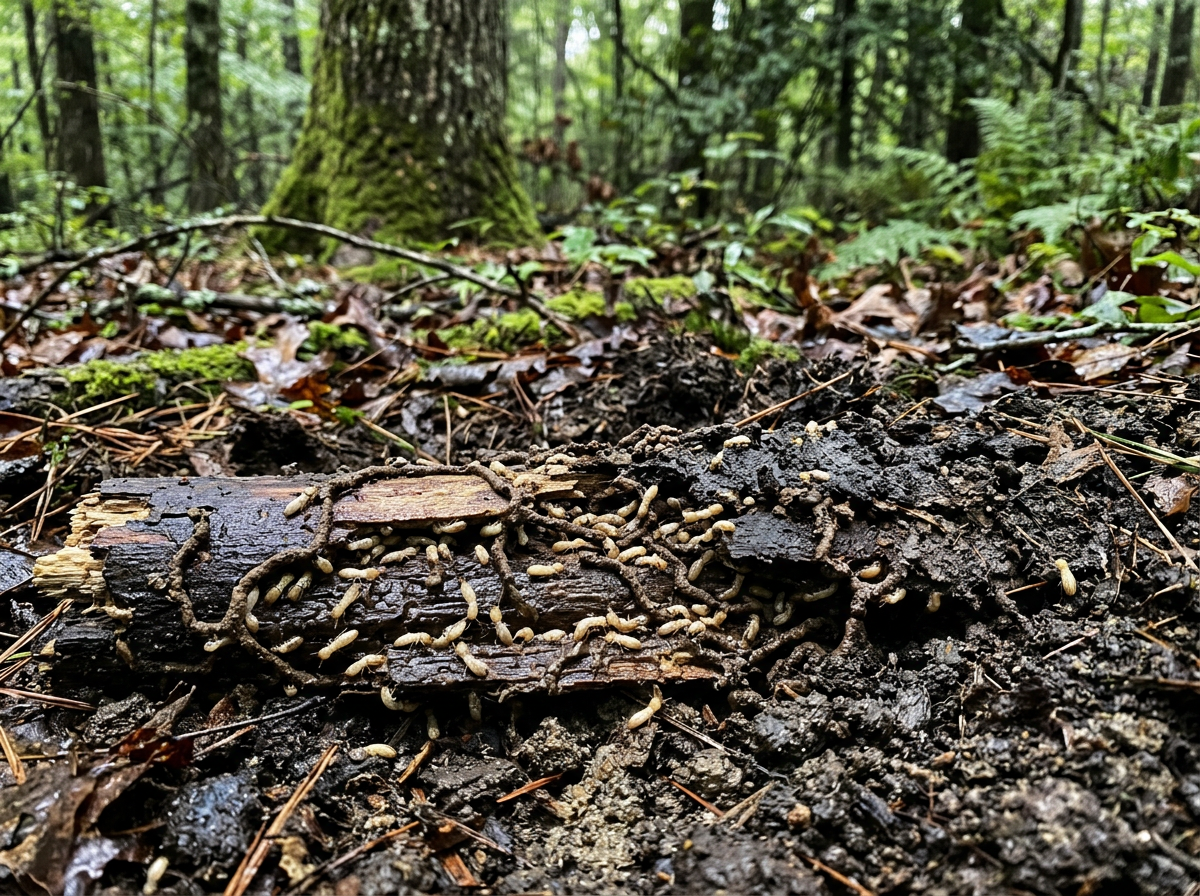
Subterranean termites are common in the wet soils of Talbot County because the high water table and frequent moisture from Chesapeake humidity allow colonies to establish easily near foundations. These termites build mud tubes along piers and crawl spaces to reach wood, and homeowners often notice spring swarmers indoors from March through May as the first clear sign. Liquid soil barriers and baiting systems address the issue without fumigation since eastern subterranean termites stay in the soil rather than requiring tenting.
Talbot County Soil and Moisture Factors
Talbot County soils stay saturated much of the year because of the shallow water table and proximity to the Chesapeake Bay. This persistent dampness lets termite colonies maintain high humidity levels inside their galleries, which they need to survive. Mulch beds placed against foundations or railroad ties used as edging keep wood and soil in constant contact, shortening the distance termites must travel. Standard practice calls for at least 8 inches of clearance between any mulch and the siding to reduce this bridge. Heavy spring rains further soften the ground and increase foraging activity across the Eastern Shore.
Diagnostic Signs on Eastern Shore Properties
Mud tubes appear along pier posts, foundation walls, and inside crawl spaces where the soil remains damp. These tubes measure about the width of a pencil and provide protected pathways from the ground to wooden framing. Spring swarmers emerging indoors point to an active colony nearby, usually between March and May when temperatures rise. Foraging workers can travel up to 200 feet from the main nest, so damage may show in distant floor joists even when the entry point sits under a mulch bed. Regular inspections catch these signs before structural wood loses integrity.
Liquid Barriers and Baiting Systems in Wet Soils
Liquid soil barriers create a treated zone around the foundation by trenching 6 inches deep and applying termiticide along the perimeter. In Talbot County crawl spaces this method works well where the water table allows proper application depth. Baiting systems place stations every 10 feet around the structure so foraging termites encounter the material and carry it back to the colony. Both approaches target eastern subterranean termites specifically and avoid any need for tenting. Homeowners can review details on eastern subterranean termite control and termite baiting systems to understand how each fits wet-soil conditions.
Inspection Timing and Home Sale Reports
Scheduling a termite inspection before listing reveals active tubes or swarmers that buyers require documented. WDI reports prepared for Talbot County sales note the presence of mud tubes and any evidence of prior treatment. Spring remains the key window because swarmers appear then and soil moisture peaks after rains. Properties with crawl spaces over high water tables need extra attention to pier posts and sill plates. Readers preparing homes can consult the related article on how heavy spring rains affect termite activity on the Eastern Shore for seasonal timing guidance.
Practical Steps for Talbot County Homeowners
Clear vegetation and mulch at least 8 inches from siding to break contact points. Check crawl spaces after heavy rains for new mud tubes along piers. Keep gutters clear so water does not pool near the foundation and raise soil moisture. When signs appear, contact Maryland Termite Solutions at 110 N Washington St #2b, Easton, MD 21601 to discuss liquid barriers or bait stations suited to local wet soils. Further reading on treatment options appears in the article what influences termite treatment pricing in Talbot County.