
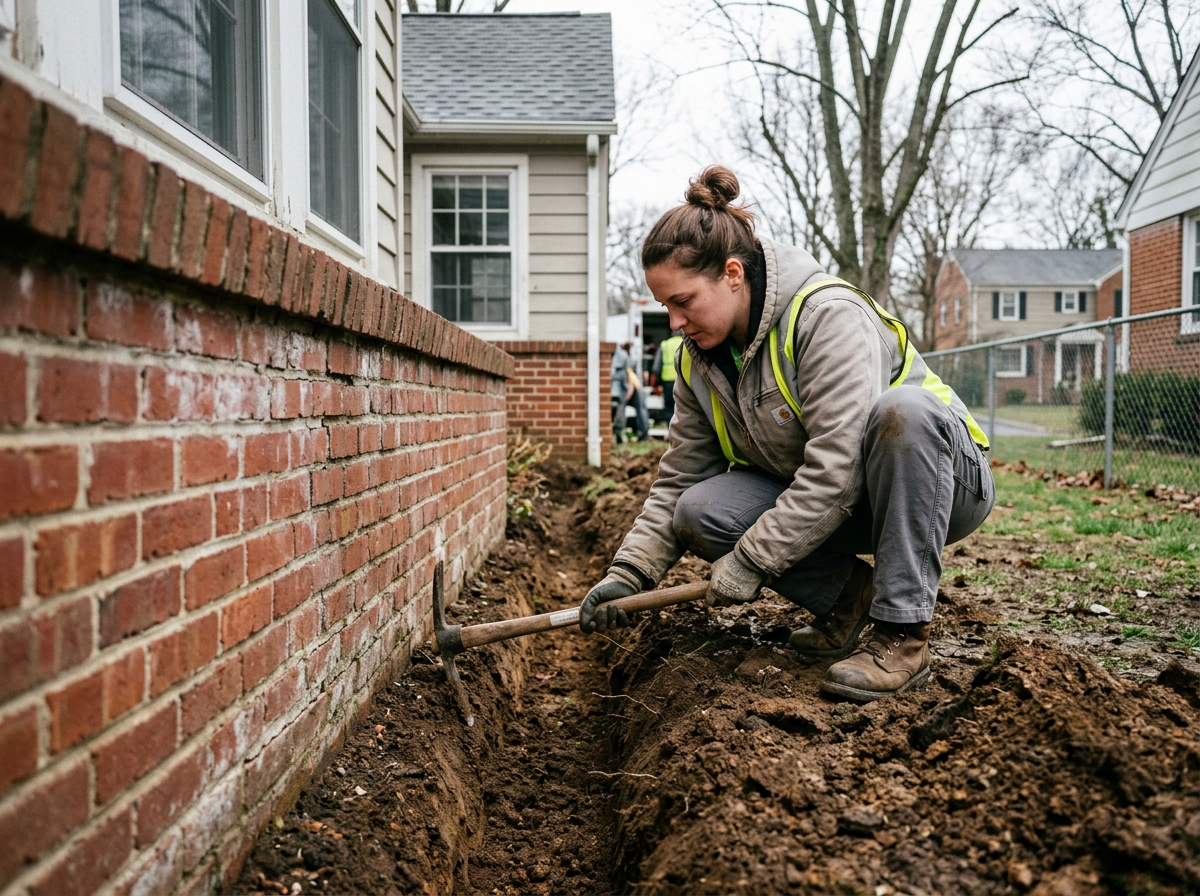
Tilghman sits on Tilghman Island in Talbot County, a historic fishing village reached from Easton along MD-33. The area features older farmhouses and outbuildings typical of Upper Shore farm country, where additions from different eras often leave untreated wood sills exposed to soil contact.
Strong maritime influence in the humid subtropical climate keeps moisture levels high around foundations and crawl spaces. Termite pressure here stems from that persistent dampness combined with grain-farm structures that have seen repeated expansions over decades.
Technicians based at 110 N Washington St #2b in Easton travel MD-33 to reach Tilghman properties, inspecting for activity in barns, additions, and waterfront-adjacent homes that also serve nearby St. Michaels.
Termite Treatment Services in Tilghman, MD
Termite Treatment in Tilghman
Targeted liquid barrier and baiting treatments for eastern subterranean termite colonies common to Maryland structures.…
Details →Eastern Subterranean Termite Control in Tilghman
Targeted control for eastern subterranean termite colonies common to Maryland's Eastern Shore, addressing foraging patte…
Details →Termite Baiting Systems in Tilghman
Termite baiting systems provide ongoing colony control for Eastern Shore homes without the soil disruption of a liquid b…
Details →Termite Inspection in Tilghman
Detailed termite inspection that examines crawl spaces, basements, and exterior foundations for eastern subterranean ter…
Details →WDI Reports for Home Sales in Tilghman
WDI reports prepared for real estate closings in Maryland identify active termite evidence and moisture issues common to…
Details →Termite Damage Repair in Tilghman
Repairing wood damaged by eastern subterranean termites in Maryland homes where high water tables and pier construction …
Details →Around Tilghman
We regularly work near:
- 📍Tilghman Island
- 📍MD-33 corridor through the village
- 📍Historic fishing docks
- 📍Waterfront farm outbuildings
Termite Treatment in Tilghman — Local Notes
- •Older frame farmhouses on Tilghman often have untreated sills from successive additions that sit close to grade in the island's high-moisture setting.
- •Maritime humidity and salt air accelerate wood decay around foundations, creating entry points for termites in crawl spaces and outbuildings.
- •Access to many properties follows narrow island roads off MD-33, with technicians parking near waterfront docks or farm lanes to reach rear additions and barns.
- •Grain storage structures and historic village homes show repeated termite trails along sill plates where soil remains damp year-round.