
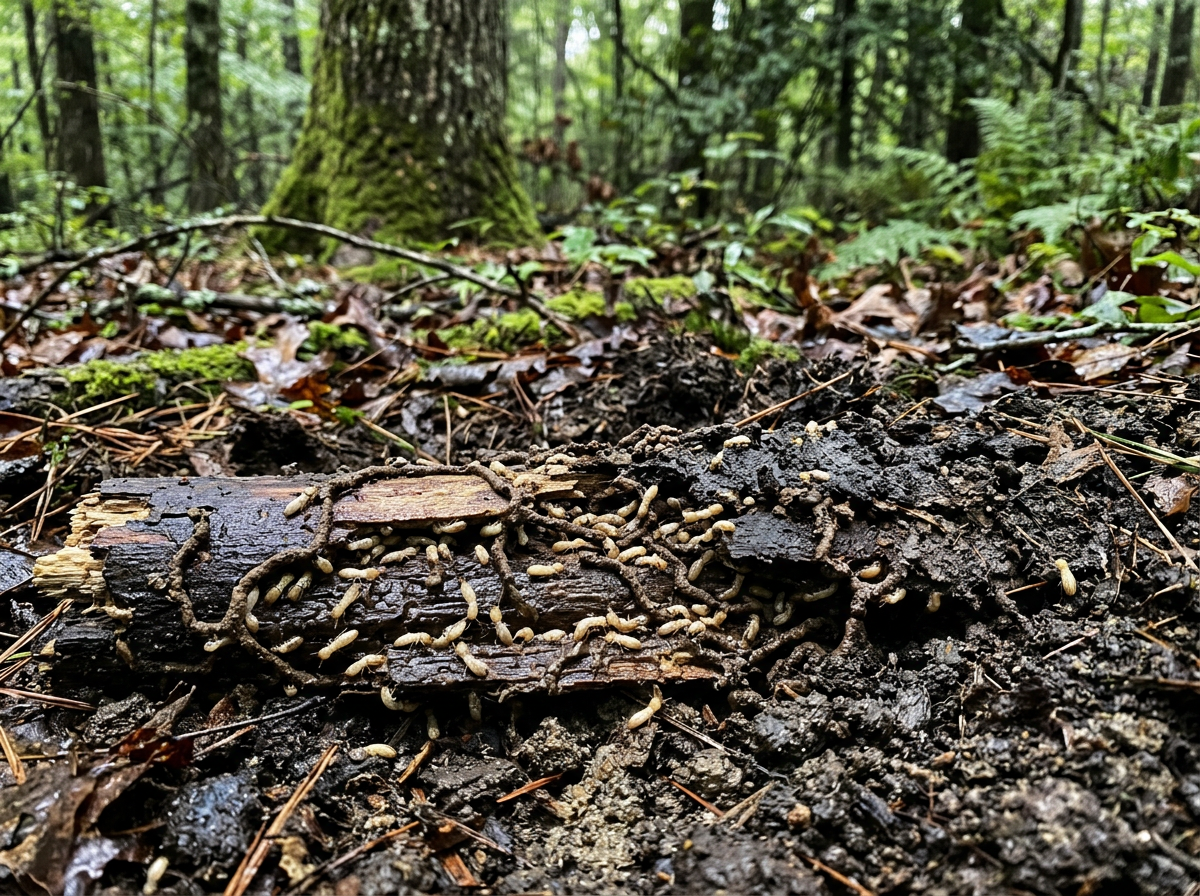
Kennedyville sits along MD-213 in Kent County as a small agricultural community on the Eastern Shore. Older farmhouses here often have untreated sills and later additions that create hidden entry points for termites drawn to the grain-farm setting.
Hot summers and mild winters keep subterranean termite colonies active for most of the year. Technicians based at 110 N Washington St #2b in Easton reach Kennedyville properties by heading north on established routes that connect directly into Kent County farm roads.
Treatment focuses on the crawl spaces and perimeter soil typical of these homes, with attention to outbuildings and barns that sit close to the main structures.
Termite Treatment Services in Kennedyville, MD
Termite Treatment in Kennedyville
Targeted liquid barrier and baiting treatments for eastern subterranean termite colonies common to Maryland structures.…
Details →Eastern Subterranean Termite Control in Kennedyville
Targeted control for eastern subterranean termite colonies common to Maryland's Eastern Shore, addressing foraging patte…
Details →Termite Baiting Systems in Kennedyville
Termite baiting systems provide ongoing colony control for Eastern Shore homes without the soil disruption of a liquid b…
Details →Termite Inspection in Kennedyville
Detailed termite inspection that examines crawl spaces, basements, and exterior foundations for eastern subterranean ter…
Details →WDI Reports for Home Sales in Kennedyville
WDI reports prepared for real estate closings in Maryland identify active termite evidence and moisture issues common to…
Details →Termite Damage Repair in Kennedyville
Repairing wood damaged by eastern subterranean termites in Maryland homes where high water tables and pier construction …
Details →Around Kennedyville
We regularly work near:
- 📍MD-213 corridor
- 📍Kennedyville grain farms
- 📍Kent County agricultural outbuildings
- 📍Eastern Shore farm roads
Termite Treatment in Kennedyville — Local Notes
- •Grain farms and outbuildings with untreated sills create steady termite pressure along MD-213.
- •Additions built in different eras leave gaps where soil contacts wood framing.
- •Mild winters allow year-round foraging, so inspections check both main houses and detached farm structures.
- •Access often requires working around active fields and equipment yards during treatment.